 Book An Appointment

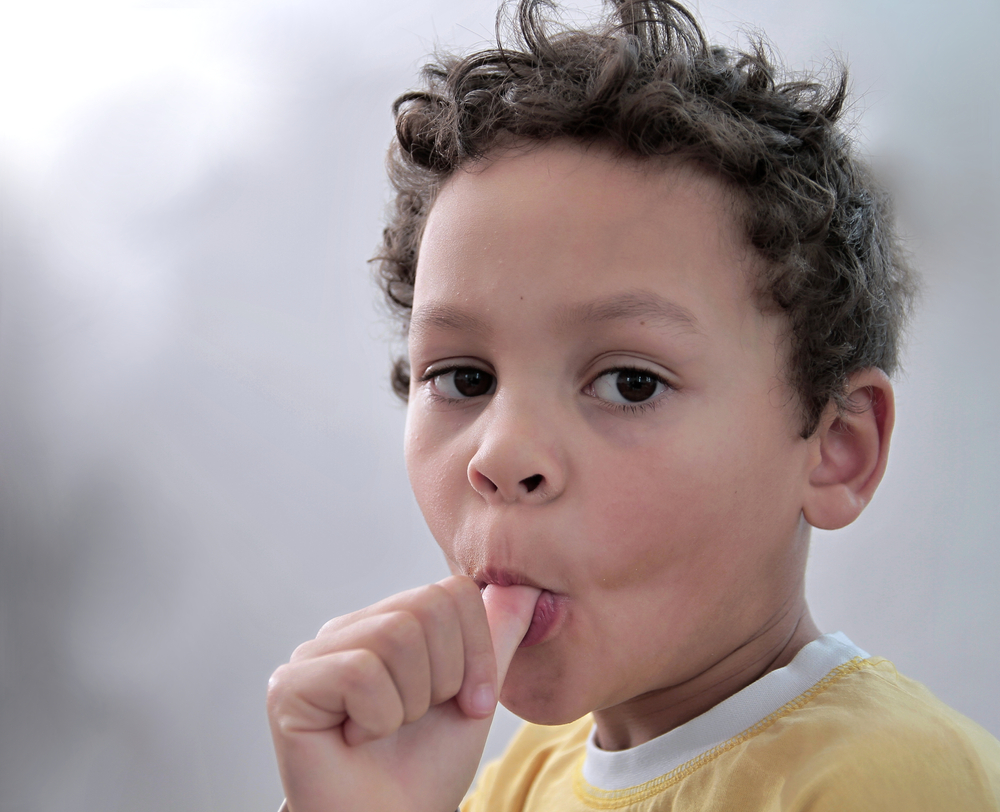
It can feel amazing, as a parent, to watch your little one grow and thrive, but it usually comes with some worries. One of the more common questions we receive from parents is how damaging the habit of using a pacifier or thumb sucking could be to their child’s teeth and oral development. At Aesthetic Dental Studio, a trusted dentist in NW Calgary, we can help you understand when to worry and what to do if your child is messing with their oral health.
The Effects of Pacifiers on Teeth
While pacifiers can provide comfort to infants and toddlers, excessive and persistent use can hinder your child’s dentition. Most parents begin to get worried about giving their child a pacifier, though, once it becomes more than a certain time, particularly after two and certainly three years of age.
Below are some ways pacifiers can affect your child’s teeth:
- Misalignment: Excessive pacifier use can cause the teeth to become misaligned, leading to either an overbite or an open bite.
- Changes to the palate: Prolonged sucking on a pacifier can change the roof of your child’s mouth and/or palate because of the prolonged pressure.
- Delayed speech development: Consistent use of a pacifier may interfere with the development of the proper verbal speech patterns of young children.
As a thumb rule, if your child is still using a pacifier after the teeth have erupted, it may be worth a visit to the dental clinic near you.
Thumb Sucking and Its Dental Effects
Sucking on thumbs is another common behavior that infants and toddlers exhibit. Although most children will naturally outgrow this behavior in the majority of cases, it can have dental implications in some instances.
Tooth problems that can potentially be attributed to thumb sucking include:
- Teeth misalignment: Like pacifiers, thumb sucking can cause teeth to become misaligned. This can cause teeth to become misaligned, also known as malocclusion, and may contribute to overbites, underbites, or crossbites.
- Open bite: In other words, thumb sucking can prevent teeth from coming together correctly at all when the mouth is closed, which presents as an “open bite.”
- Changes to the jaw structure: Long-term thumb sucking can have a detrimental effect on the development of the jaw and palate, which may have lasting orthodontic consequences.
In more severe cases, the problem of thumb sucking might be viewed as a functional one in that it might affect the child in terms of his or her capacity to eat or speak in the correct way. If thumb sucking continues after age 4, you may wish to seek out treatment by a dentist near you in NW Calgary in order to assess potential damage to the child’s oral development.
When Should You Stop Using a Pacifier?
Parents may be confused about when to discontinue using a pacifier. The following are some of the signs that it is time to initiate the weaning process:
- Child’s age is above 3-4 years: At this age, your child has teeth and the mouth that are rapidly developing, and using the pacifier long term can lead to negative effects on the development of your child, e.g,. malocclusions.
- Your child’s teeth exhibit alignment problems: When you have observed any issues with your child and the alignment of their teeth, then this is a sign that it is high time to get rid of the pacifier.
- Your child uses the pacifier for emotional comfort: If the pacifier has become a means for your child to self-soothe, then this can indicate that your child has become overly reliant on the pacifier. Phasing the pacifier out slowly can help your child learn to self-soothe in other ways.
If your child is reluctant, ill-equipped, or having difficulty giving up the pacifier, consider a dental clinic in your area or a dental clinic near you and ask for assistance and support with transitioning at a pace that is appropriate for your child.
Tips for Reducing Thumb Sucking
Your child is more than 4 years old and is still sucking their thumb? Here are a few things you can do to help reduce your child’s thumb sucking habit.
- Positive reinforcement: For example, give your child a sticker, a small treat, or talk with your child when they do not suck their thumb.
- Distraction techniques: Introduce a comfort item (like a stuffed animal or blanket) to hold when they have the urge to suck their thumb.
- Gentle reminders: If you catch your child sucking their thumb, simply remind them in a calming way without placing shame on them.
- Talk to your dentist: A dentist in NW Calgary will have good recommendations; your dentist may even offer an intervention.
Signs You Should Be Concerned
If your child still sucks their thumb or uses a pacifier at age 5 or older and they are suffering dental damage, you should check with the pediatric dentist. Some of these red flags are:
- Seen misalignment of teeth or bite issues
- Difficulty chewing or speaking correctly
- An obvious gap in teeth when there was not a gap before.
Ways to Support Your Child’s Oral Development
There’s more to supporting your child’s oral development than just addressing thumb sucking or pacifiers.
- Being seen by a dentist regularly: You want to seek out an NW Calgary dentist who can provide regular oral exams for your child. Detecting problems early helps with your child’s long-term dental health.
- Good oral hygiene habits: This should be encouraged in your child to brush their teeth at least three times a day and to floss. Early instilling the oral care habits in your child assists in instilling an environment where oral care is important even in adulthood.
- Healthy snacks: Reduce the intake of snacks and drinks containing sugary substances that may cause tooth decay, and eat healthy snacks that help maintain oral health.
Conclusion
Though most children use pacifiers and thumb sucking as usual, they may develop oral difficulties when not managed as soon as they arise. As a parent, you have to know when the habits started causing problems to the dental health of your child. We are a dental clinic offering advice and assistance at Aesthetic Dental Studio to make sure that your child has a healthy smile throughout life! We have to answer all your questions regarding the oral habits of your child and you should call our office today!
When you’re ready to book an appointment for a trusted dentist, please contact Aesthetic Dental Studio, as we always look forward to caring for your child’s smile!
FAQs
- Can using a pacifier affect my child’s speech development?
Yes, use beyond the age of 1 can affect your child’s ability to produce speech sounds accurately. This is particularly true when children regularly use a pacifier into their toddler years as a source of comfort. - When should I talk to a dentist about my child’s thumb sucking?
Talk to your pediatric dentist if thumb sucking lasts beyond the age of 4 or if you observe any dental concerns, because addressing concerns before they lead to damaging consequences is best.
3. How can I help my child in the process of stopping the pacifier use?
Gradually stop using the pacifier a little at a time, offering comfort in other ways, and being consistent in the boundary of using the pacifier only in certain situations can help as well.